Residential gates
Custom estate gates, motor court gates, and driveway gates that combine curb appeal with security and convenience, designed to match your home and hung to swing true.

Custom estate gates, motor courts, and automated gate systems for homes and businesses across Maury & Williamson County. A custom gate is the first impression of your property, so we make it count.
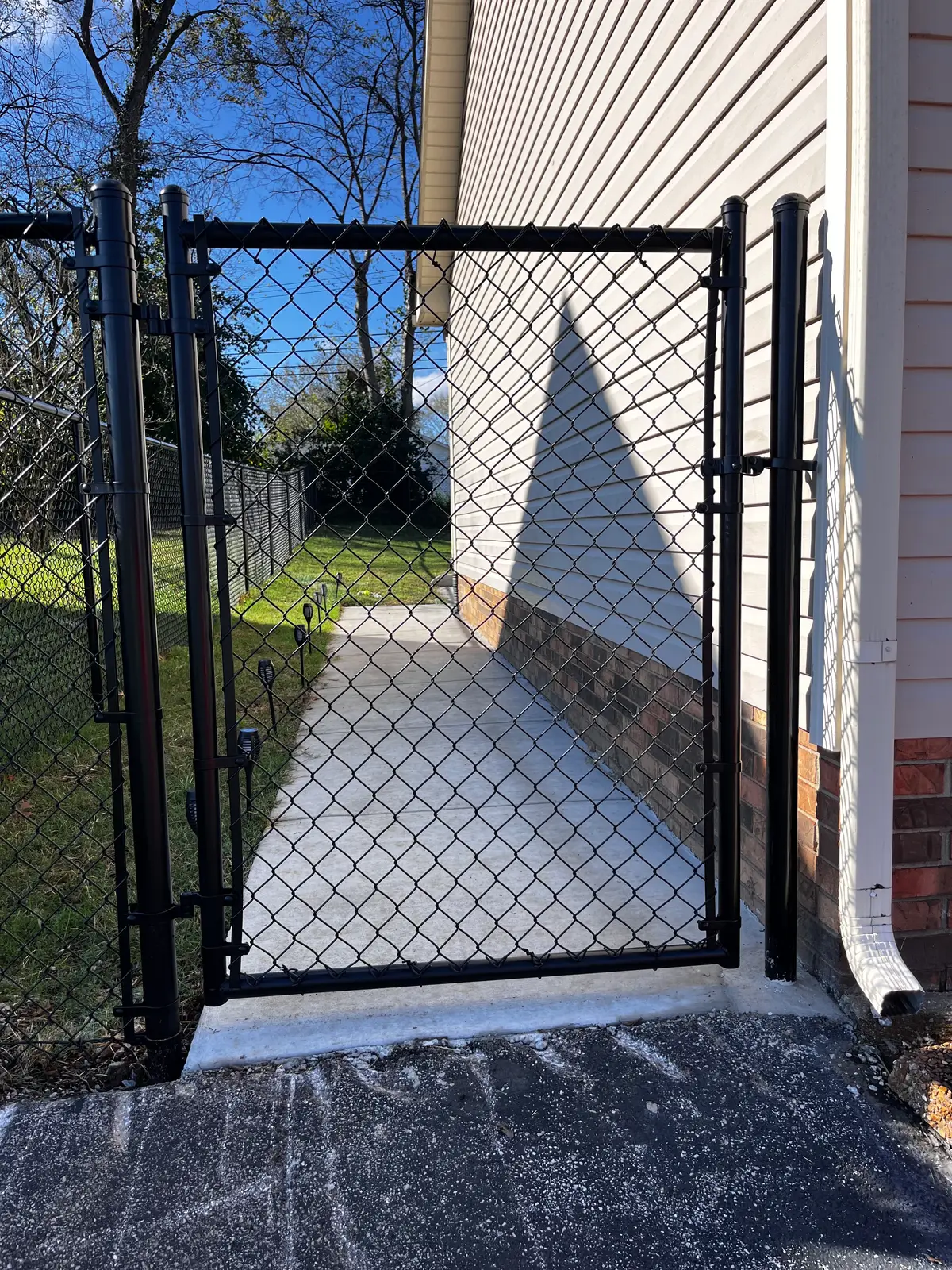
Custom estate gates, motor court gates, and driveway gates that combine curb appeal with security and convenience, designed to match your home and hung to swing true.
Professional-grade commercial gates and access control systems. From parking lots to industrial facilities, we provide secure, reliable entrance solutions for your business.
Custom-designed, built for Tennessee weather, installed right.
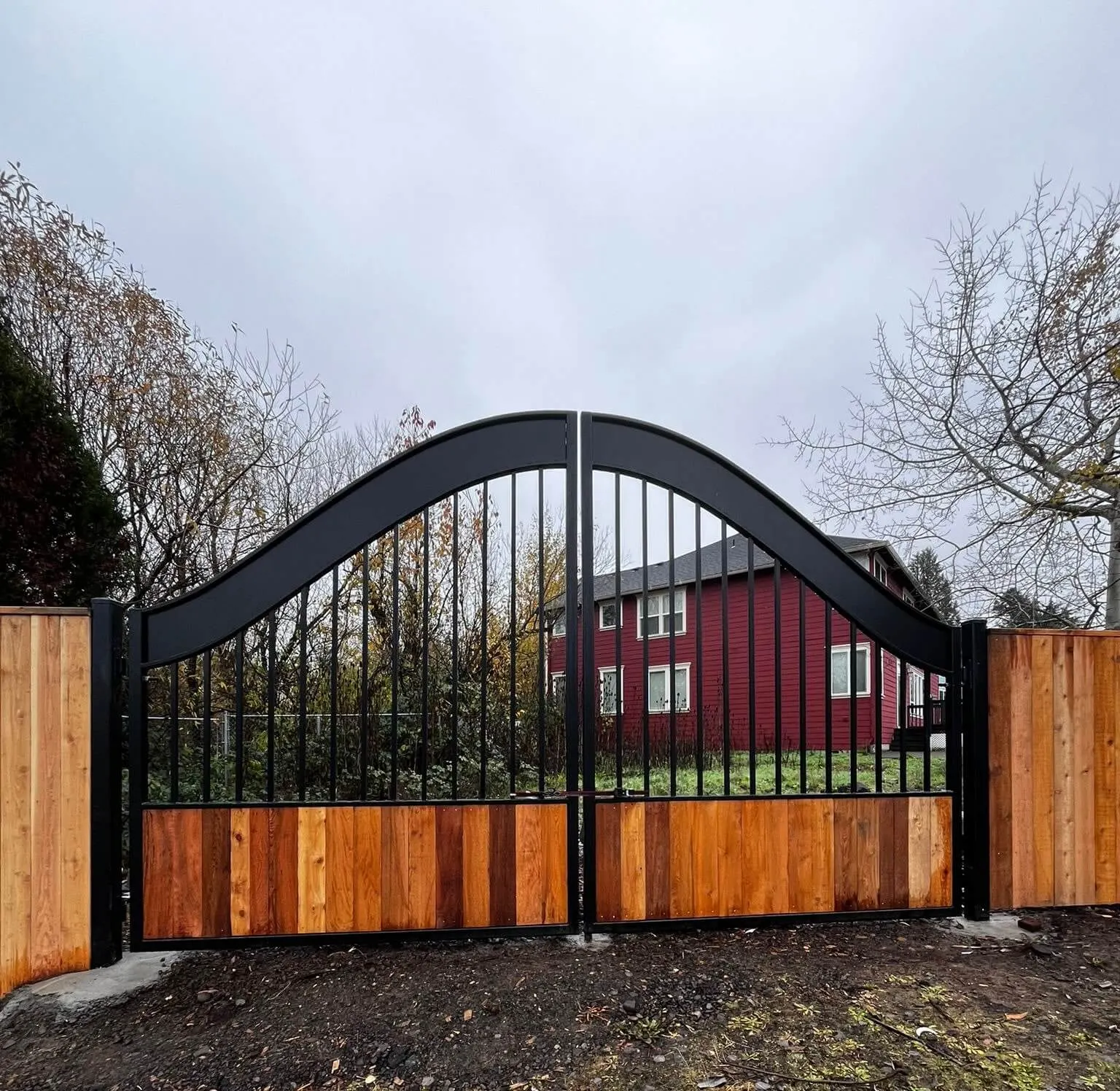
Estate gates in wrought iron, aluminum, or wood, built for entrances that need to look as good as they work.
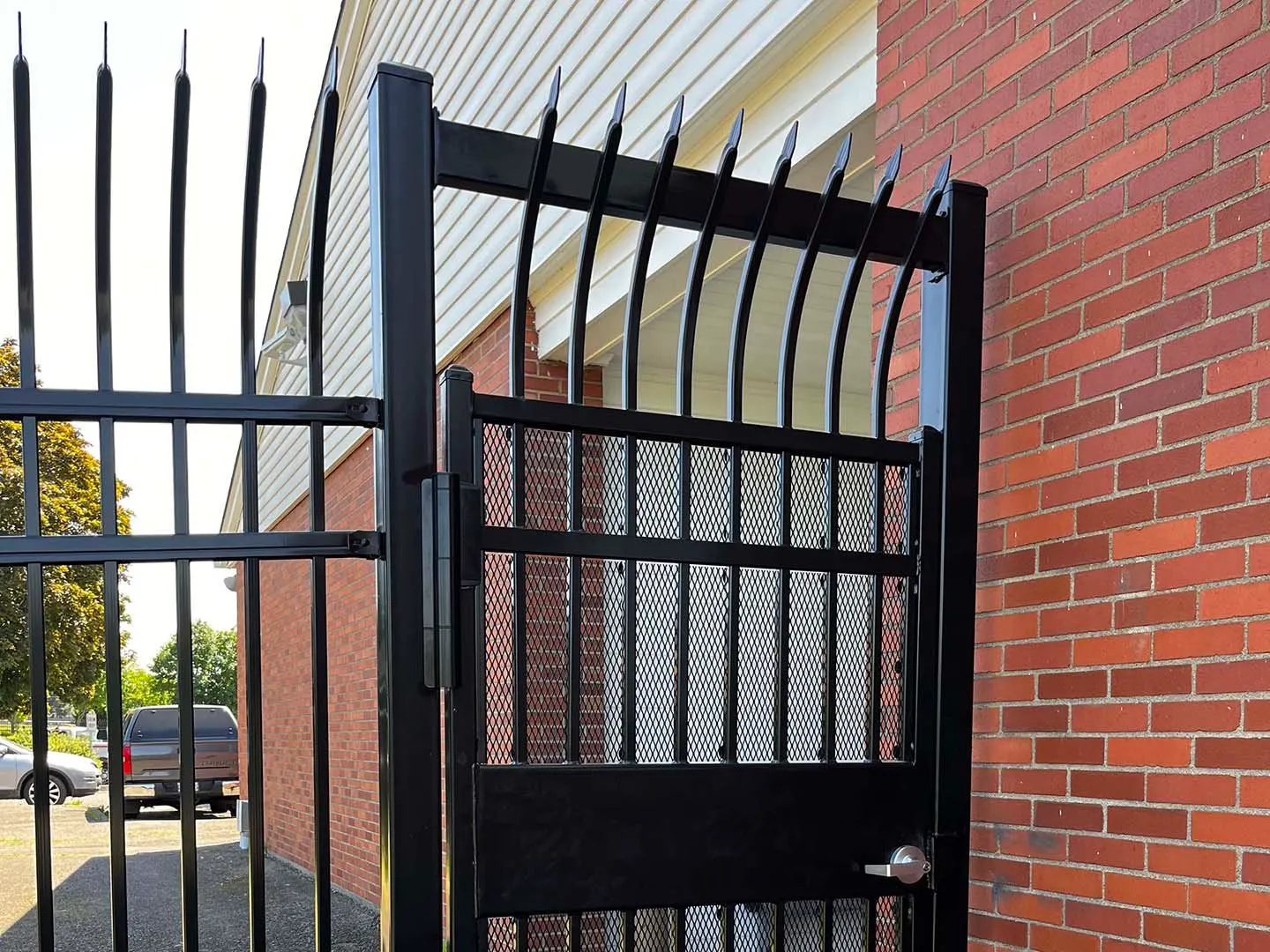
Motor court gates sized and styled for circular driveways, matched to the house instead of fighting it.
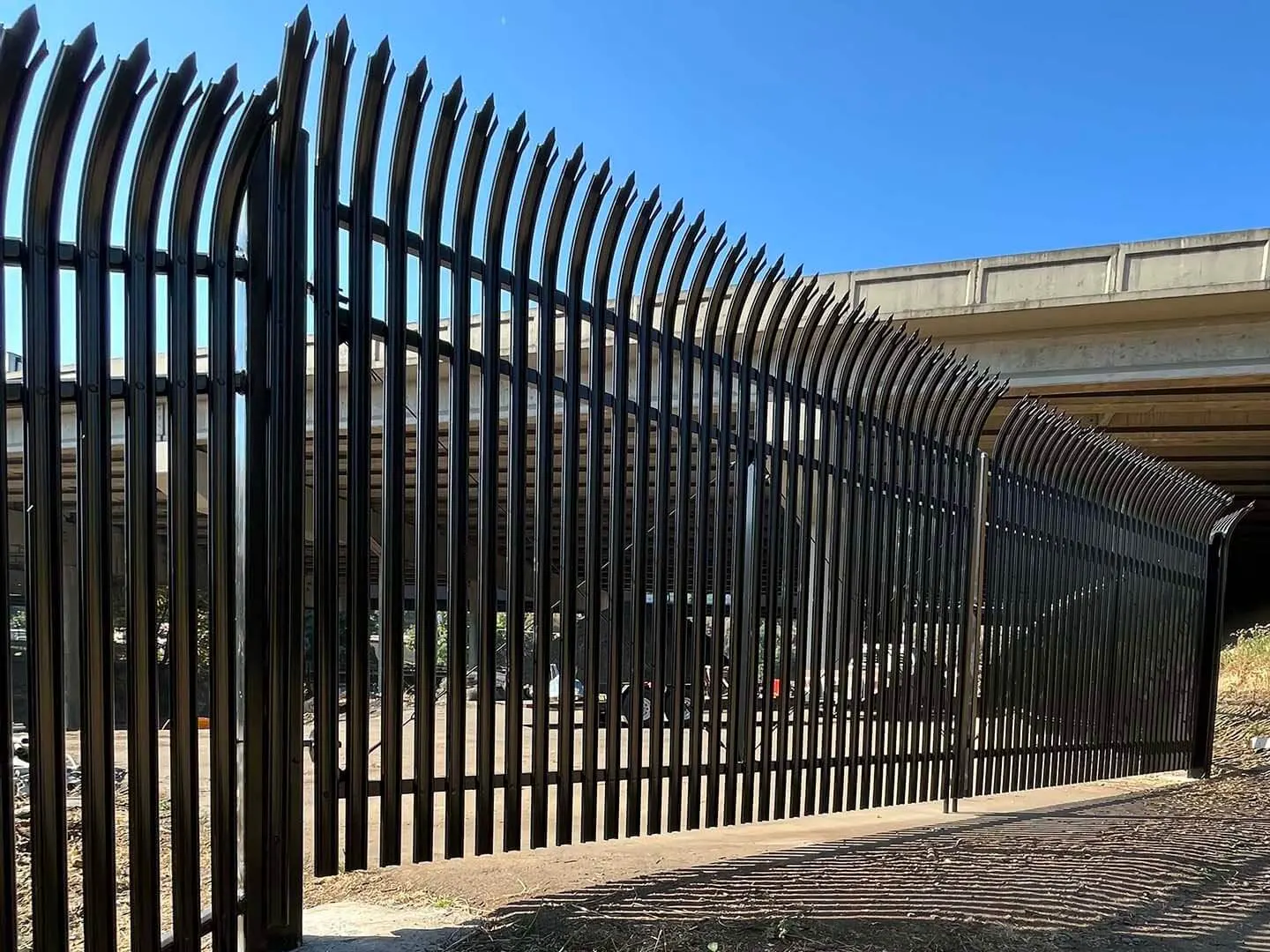
Reliable gate operators with remote access, keypad entry, smartphone control, and integration with your existing security system.
Exceptional gate installation shouldn't break the bank. As a family-owned company, we custom-design every gate to match your property's style and build it to withstand Middle Tennessee's weather for decades.
Gate installation in Columbia, Spring Hill, Franklin, and throughout Maury and Williamson County requires materials and automation systems that can withstand our climate. Hot, humid summers with temperatures often exceeding 90°F can cause metal gates to expand and automated operators to overheat without proper ventilation. Mild winters still bring occasional ice storms that can freeze gate mechanisms, hinges, and operators.
With roughly 50 inches of rainfall annually, rust-resistant materials and proper drainage are critical, and automated gates need weatherproof operators and control boxes. Spring tornado season and high-wind summer storms mean your gate needs reinforced posts, professional-grade hinges or track systems, and sound structural engineering to stay functional through severe weather.
The rolling hills common in Franklin and Spring Hill often mean sloped driveways, which suit sliding gates better than swing gates that may drag on inclines. Tennessee’s clay-heavy soil expands and contracts with moisture. That matters most for automated gates, where shifting posts can misalign tracks, bind swing gates, or damage expensive automation equipment.
We set gate posts with deep concrete footings (typically 3–4 feet in clay soil) with proper drainage to prevent movement. Rocky limestone bedrock near the surface sometimes requires specialized equipment; gate posts need larger, deeper holes than fence posts because of the weight and stress they carry, making professional installation essential.
Many Williamson County communities require pre-approval of gate designs: style, height, materials, even automation features. Estate gates in gated communities may need to match architectural standards, and some HOAs restrict front-yard gates or require setbacks from the street.
Local ordinances regulate gate placement and corner visibility, and automated gates must comply with safety regulations, including sensors that prevent closing on vehicles or pedestrians. Some municipalities require permits for automated gate installation where electrical work is involved. We handle these requirements across Middle Tennessee so your installation avoids costly violations.
Swing gates (single or double) are traditional and elegant, ideal on flat driveways with clearance on both sides, a great fit for wider Franklin and Spring Hill estates. They need level ground, so they struggle on the sloped driveways common in hilly parts of Williamson County.
Sliding gates roll horizontally on a track and are perfect for slopes, limited space, or windy sites. They’re preferred for openings over 16 feet since they don’t need the structural support large swing gates demand, and their space efficiency makes them popular for commercial properties in Columbia.
Automated systems are standard in Williamson County’s upscale neighborhoods and increasingly popular across Middle Tennessee. Modern automation offers remotes, keypad entry, smartphone apps, and integration with smart home systems like Ring or Google Home.
Commercial properties can add card readers, video intercoms, license plate recognition, and visitor management. Battery backup is essential here: storms knock out power, and your gate should keep working. Solar-powered openers are growing in popularity for rural Maury County properties with limited electrical access.
Wrought iron and aluminum are popular in Franklin and Spring Hill for their elegance and durability. Aluminum resists rust better than steel in our humid climate, while keeping the wrought-iron look at lower weight and cost.
Wood gates suit ranch-style properties in rural Maury County but need regular staining or sealing in our climate. Composites combine wood aesthetics with low maintenance at a higher initial cost. For commercial security, powder-coated steel provides maximum durability against Tennessee humidity and temperature swings.
Spring (March–May) and fall (September–November) offer ideal conditions: predictable concrete curing, easier electrical work, and workable ground for setting posts in clay soil.
Summer installs are possible around extreme heat and afternoon thunderstorms; winter works during mild stretches, though frozen ground complicates posts and concrete. We avoid rainy periods when clay soil turns difficult and drainage around posts is hard to get right.
Swing gates open like a door and suit flat driveways with clearance space: a traditional, classic look. Sliding gates roll along a track and are better for sloped driveways, tight spaces, or wide openings, since they need less structural support than large swing gates.
We’re a local, family-owned business with years of experience across Middle Tennessee. You get a written quote, quality materials, a workmanship warranty, and a licensed, insured company on every project.
Yes. Modern automated gates integrate with most security systems, including video intercoms, cameras, access control, and smart home platforms. We install keypads, card readers, remotes, and smartphone controls, and work with your security provider so everything talks to everything.
A basic swing gate typically installs in 1–2 days; automated systems or custom estate gates may take 3–5 days including post setting, assembly, operator setup, and testing. You get a detailed timeline at your consultation.
Periodic maintenance keeps automated gates reliable: lubricating hinges and moving parts, adjusting operators, inspecting safety sensors, cleaning photo eyes and tracks, and testing backup batteries. We recommend professional service every 6–12 months and offer maintenance plans.
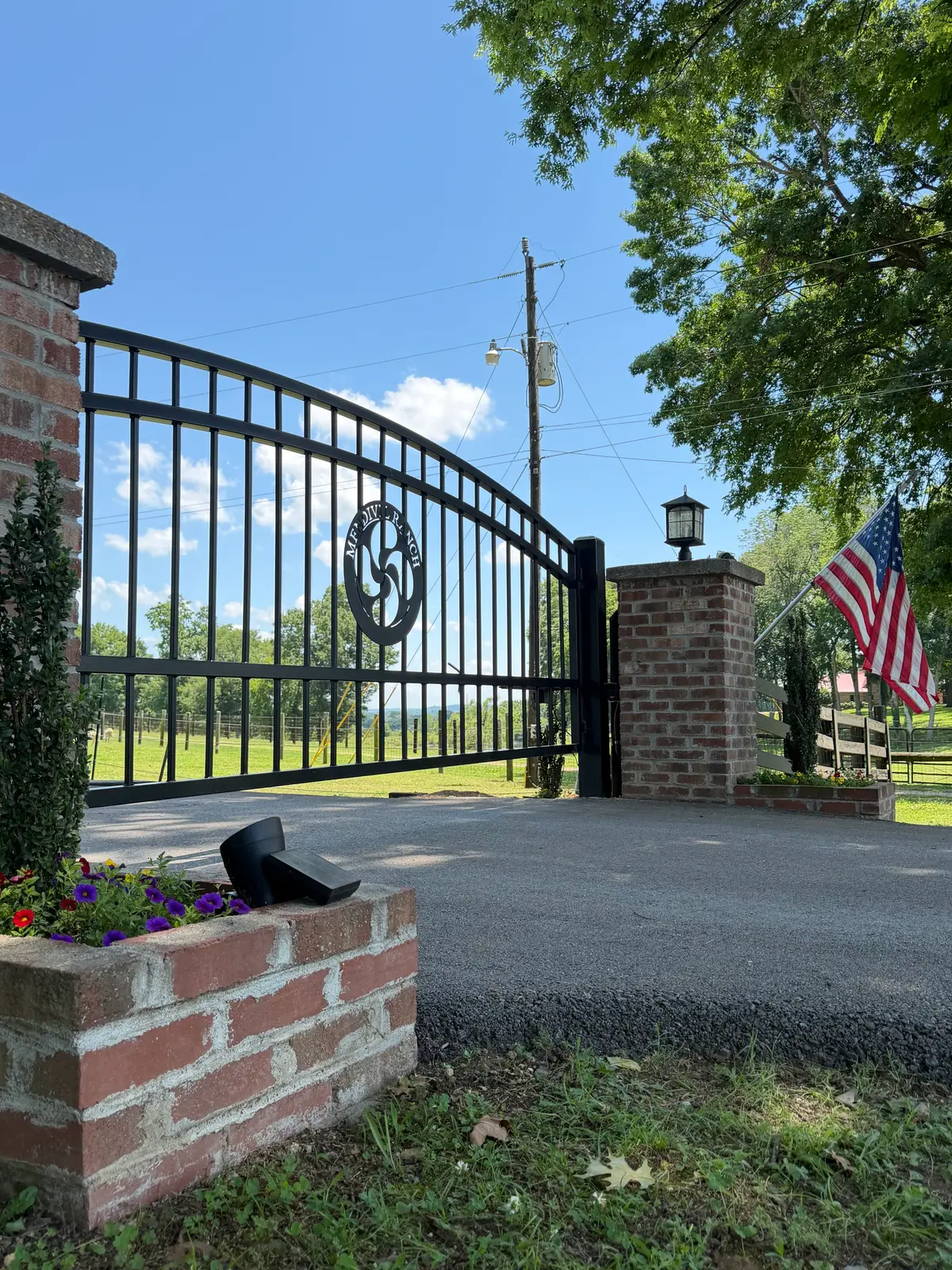
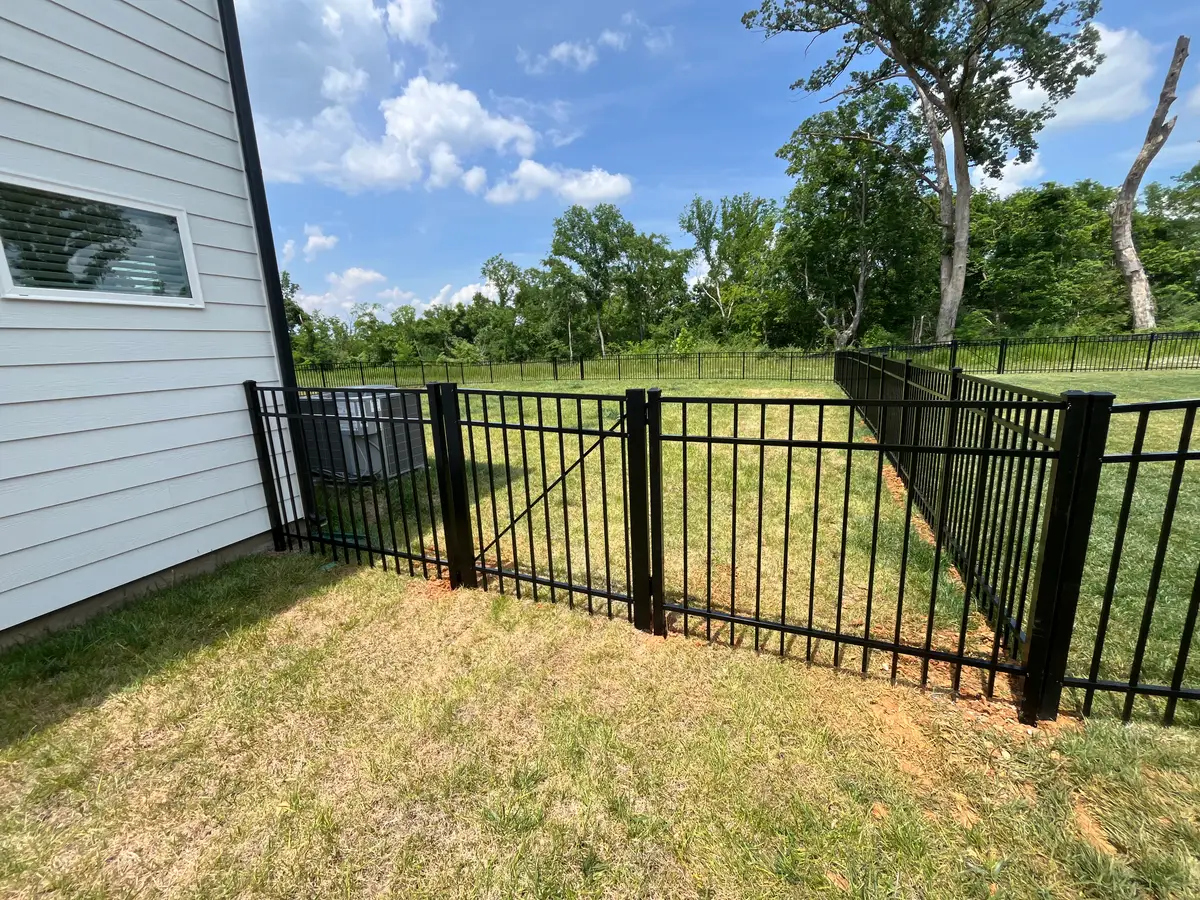
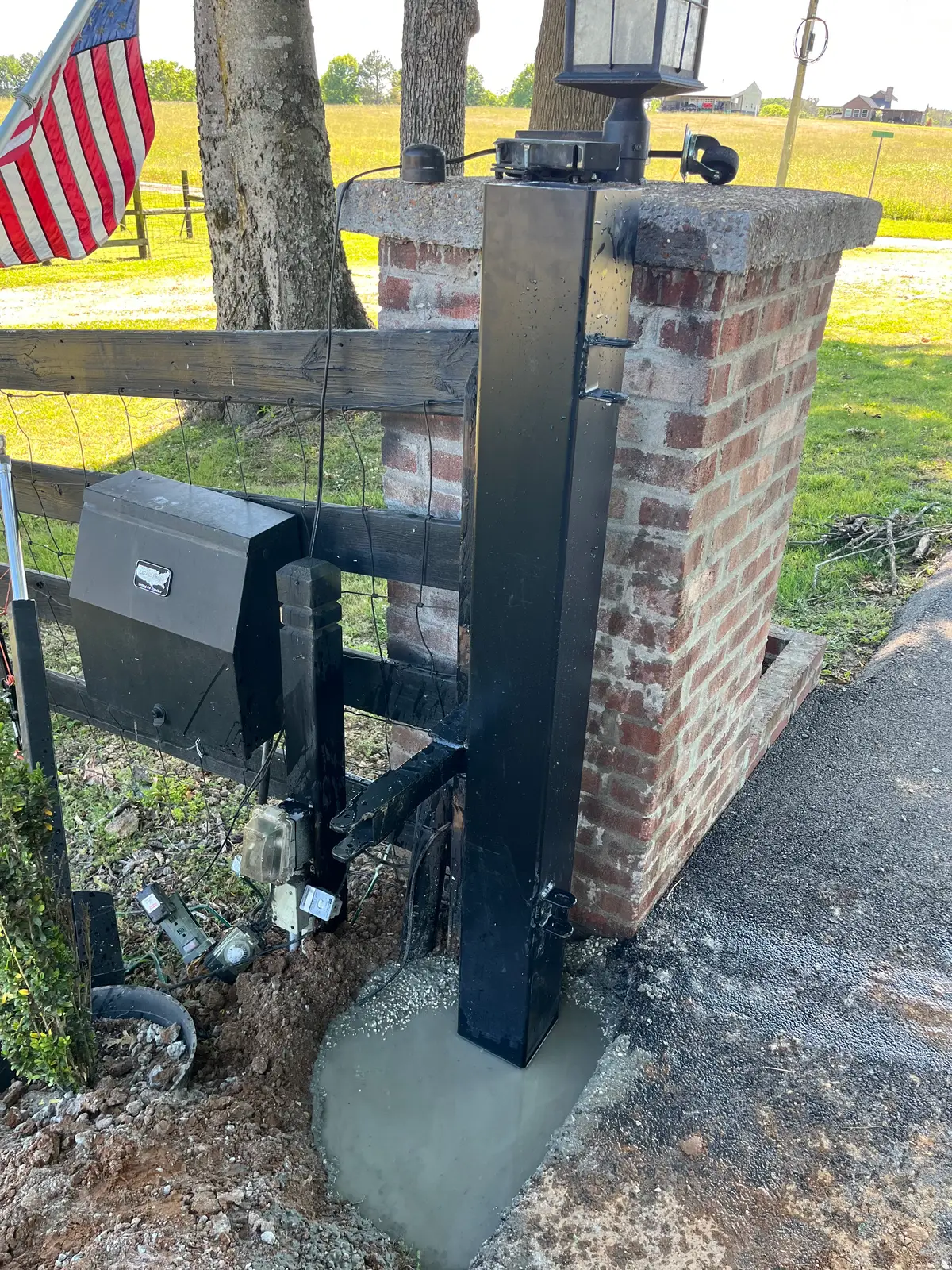
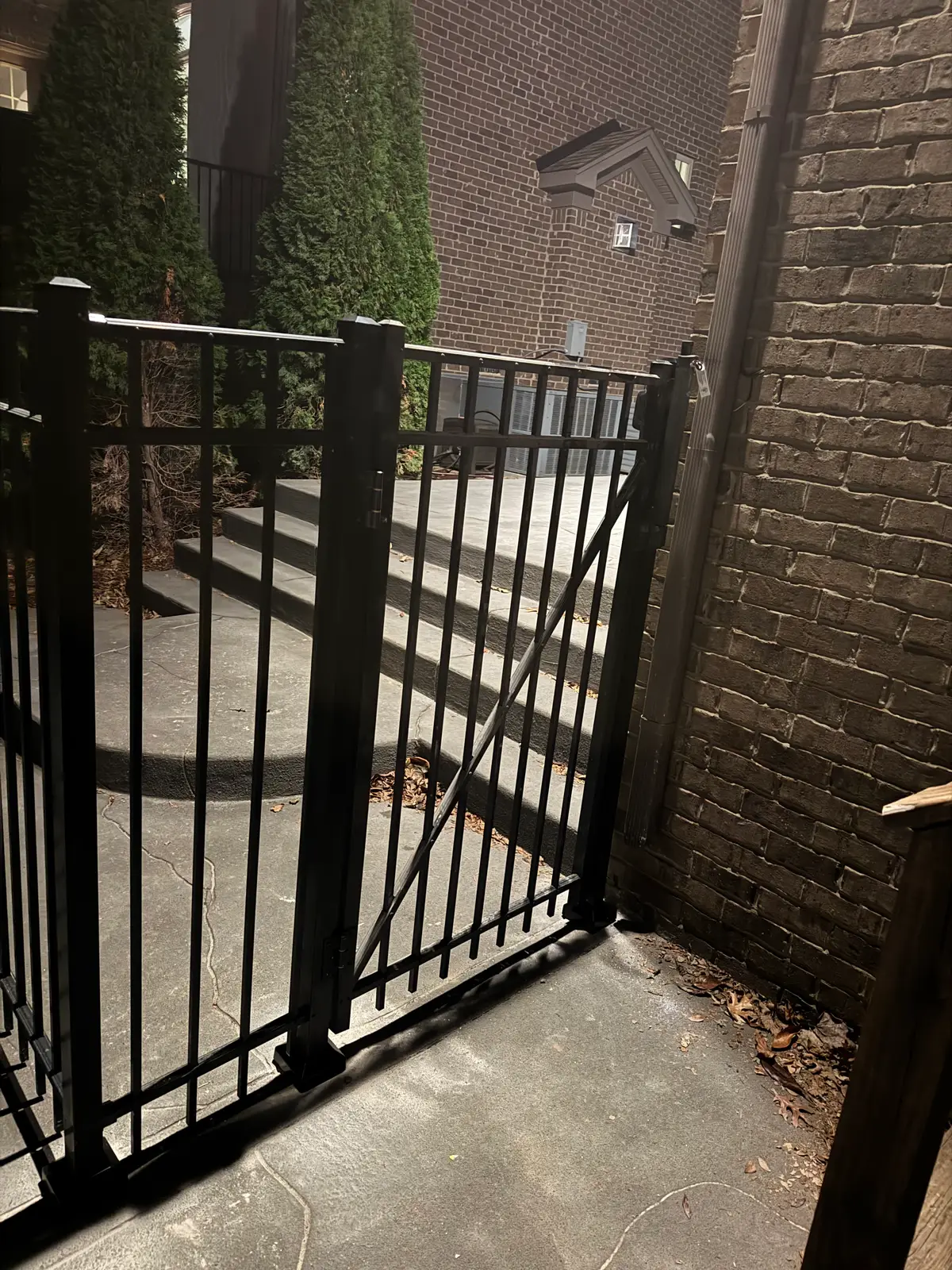
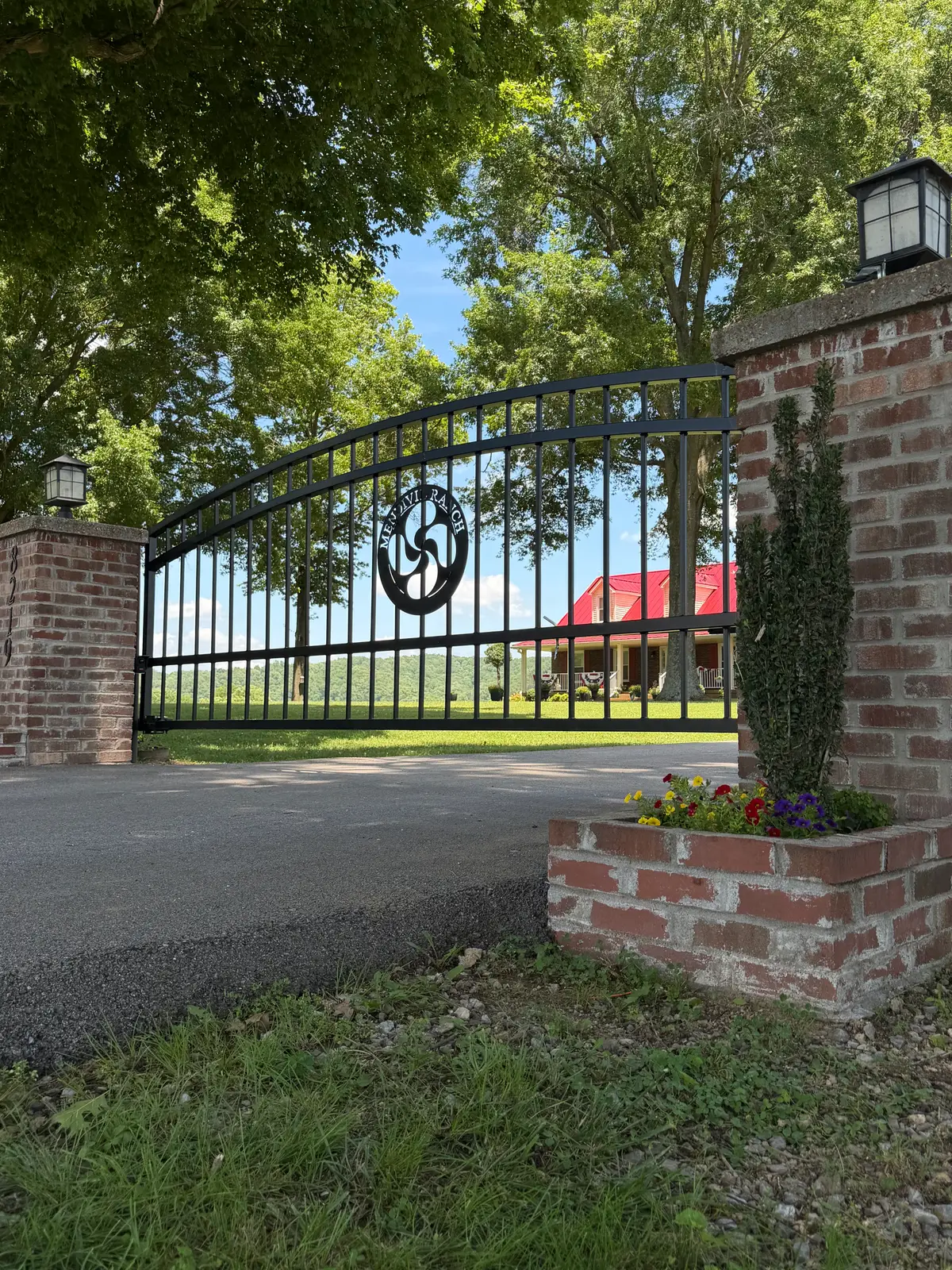
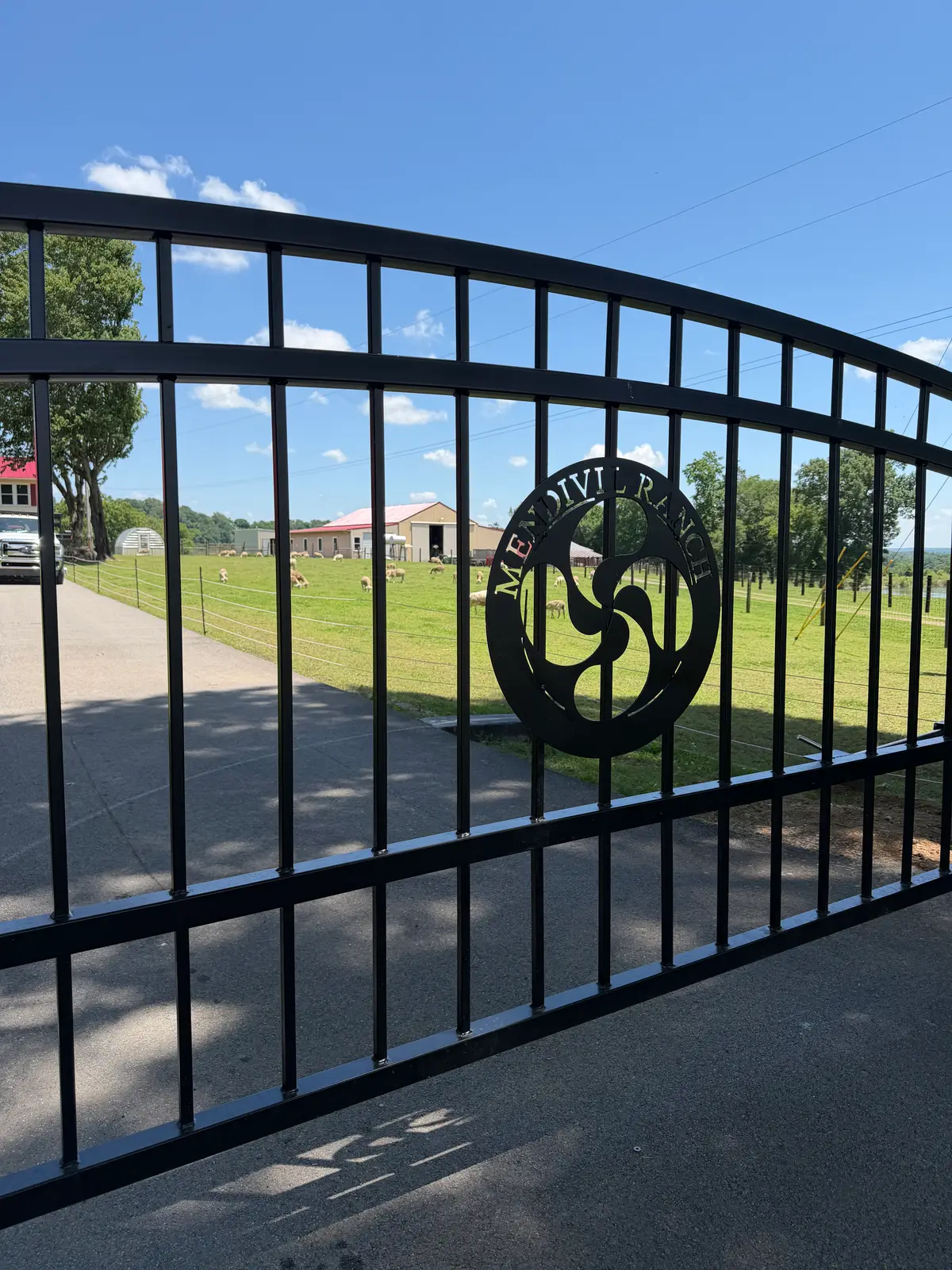
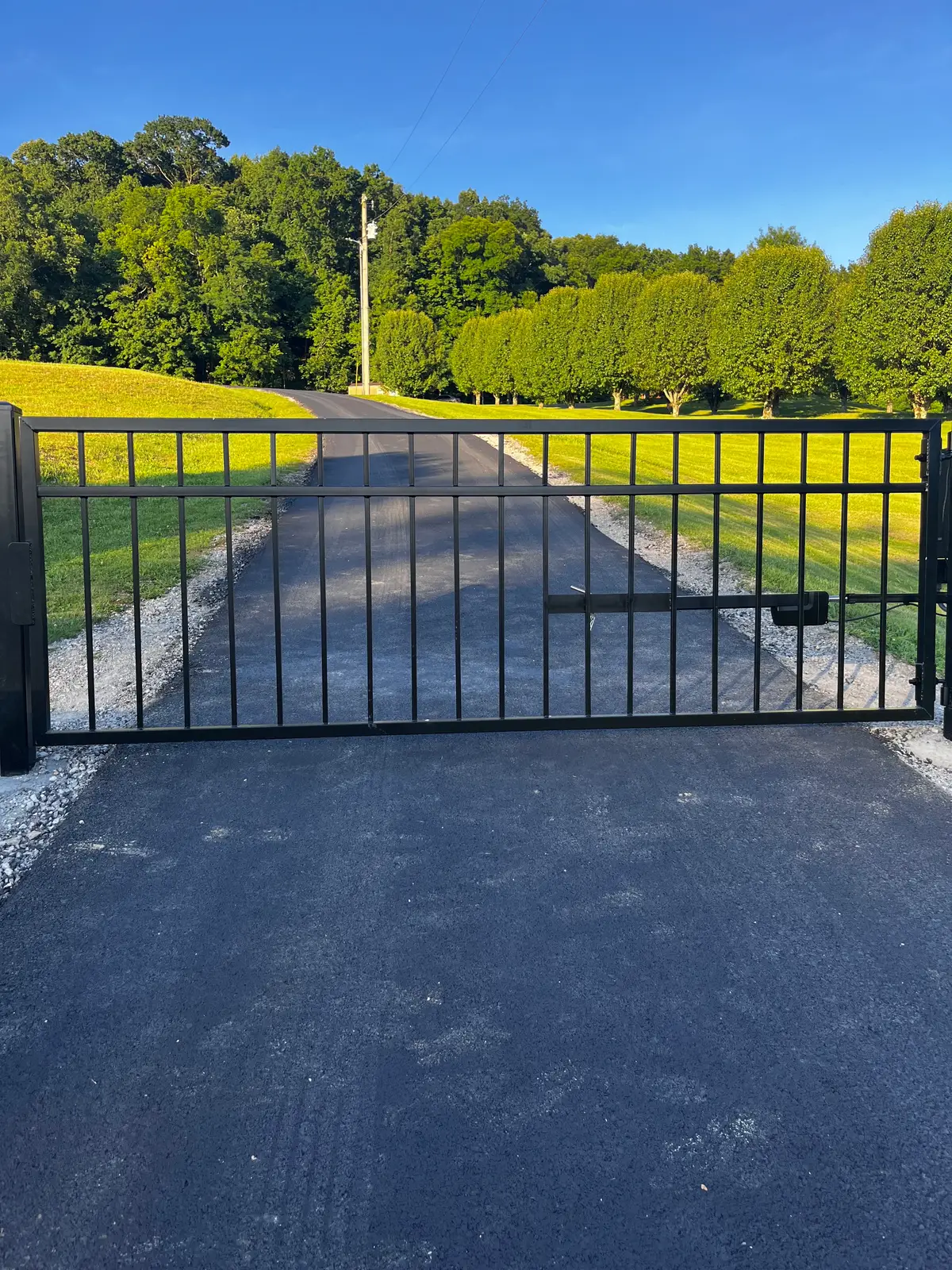
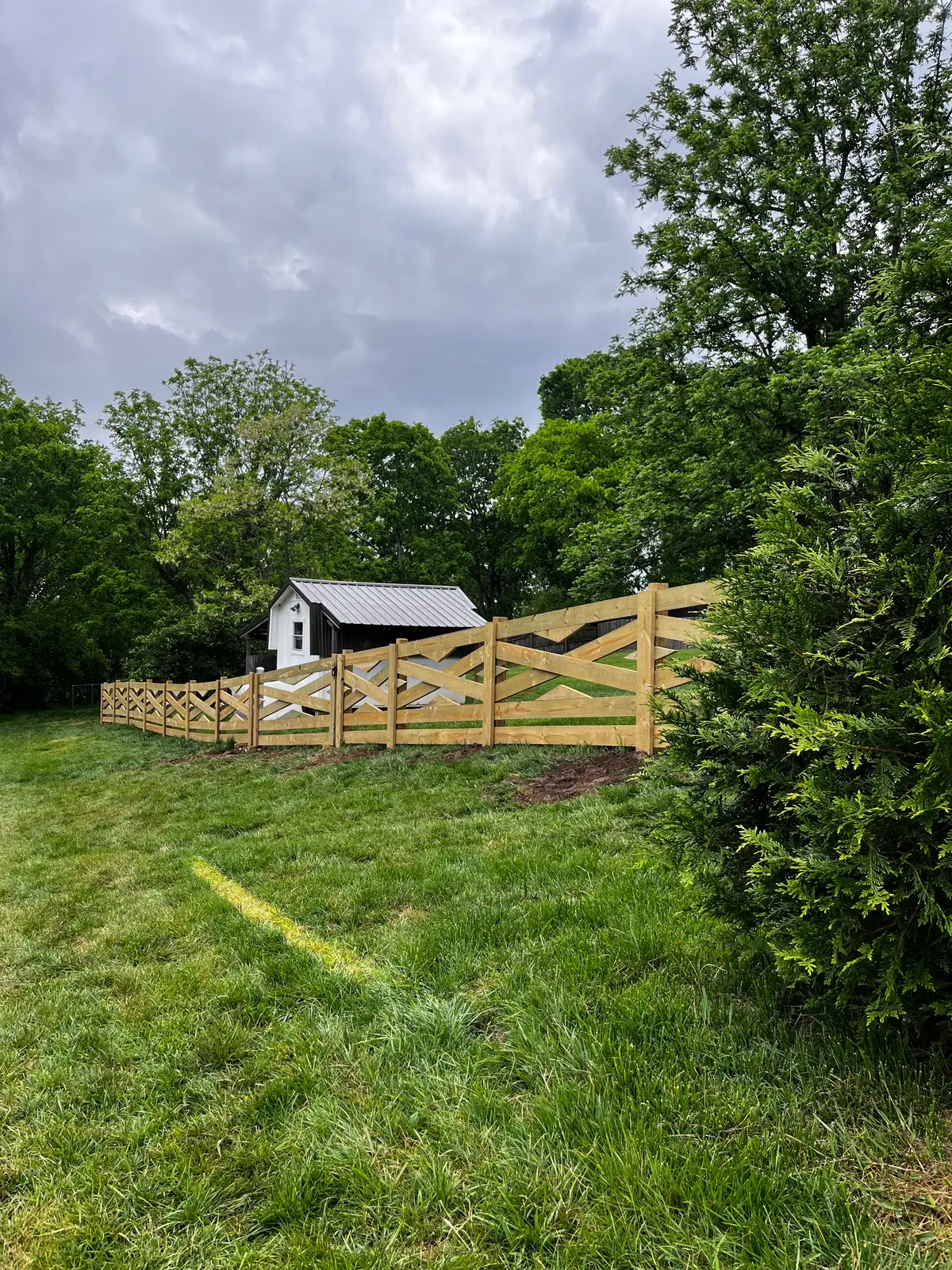
Real jobs, real yards, no stock photos.
Free on-site consultation and a written quote within 24 hours.
Call (931) 218-7273